Phone Anxiety Before a Date: How to Get Comfortable Talking Before You Meet
If the idea of a phone call before a date makes you want to text instead, you're not alone, and it's not really about the date. It's part of a well-documented, generational shift away from real-time voice conversation, and it happens to concentrate hardest on exactly the kind of call a pre-date check-in is: talking to someone you don't know yet.
Phone anxiety before a date is the discomfort or dread of a live voice conversation with a match, driven less by the date itself and more by a broader, well-documented shift away from real-time phone communication.
This isn't a personal failing or a sign you're bad at dating. It's a communication pattern with real survey data behind it, and like everything else in this series, it responds to rehearsal.
TL;DR
- Phone anxiety before a date isn't just first-date nerves. It's part of a documented generational shift away from real-time voice communication.
- Comfort with phone calls drops sharply by generation, and calling a stranger specifically, which is exactly what a pre-date call is, is where the discomfort concentrates most.
- A large share of Gen Z and millennials already script or rehearse phone conversations before making them, which means the instinct behind rehearsal already exists, just usually applied last-minute and alone.
- Texting removes the real-time pressure a call doesn't, since there's no buffer to edit a response, which is exactly why the discomfort shows up on calls specifically.
- The fix isn't forcing yourself through more unprepared calls. Rehearsal closes the specific gap causing the anxiety.
- A pre-date call, when you choose to do one, is worth treating as its own skill to warm up for, separate from the in-person date itself.
- The goal isn't loving phone calls. It's being able to have one without it derailing your day.
What Is Phone Anxiety, and Why Is It So Common Now?
Phone anxiety is real discomfort or dread around making or answering calls, and it's become common enough to have its own name, sometimes called telephobia. It's not the same as general social anxiety, and it doesn't mean someone is bad at conversation.
Survey research shows comfort with phone calls drops sharply by generation. One widely cited survey found that while two-thirds of Baby Boomers say they're comfortable making phone calls, that drops to roughly half of millennials, and around a third of Gen Z.
The reason is fairly straightforward: an entire generation grew up communicating primarily through text, where you control the pace and can edit before sending, which is the exact buffer a live conversation removes. Calls simply got less practice time than they used to, and skills that get less practice tend to feel harder.
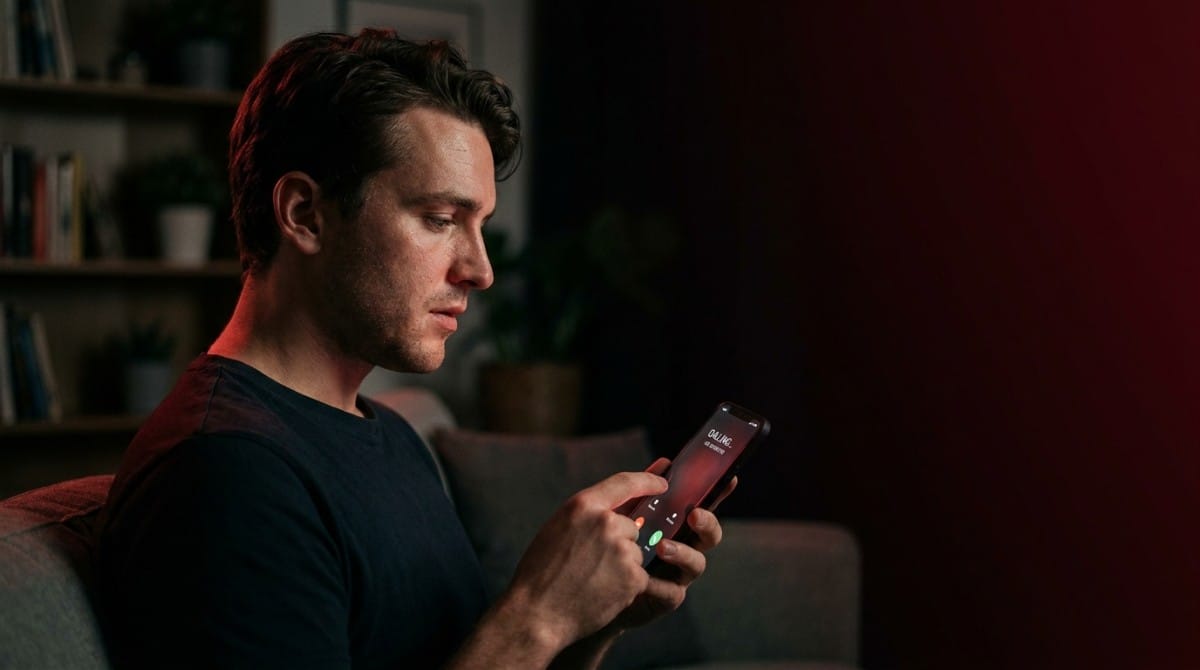
Why Does Calling a Stranger Specifically Feel Worse Than Calling a Friend?
This is the part that matters most for dating specifically. The same research that found Gen Z's comfort with calls has dropped also found the discomfort isn't spread evenly. It concentrates hardest around calling someone unfamiliar, with a majority of Gen Z respondents specifically flagging calls to strangers as uncomfortable.
A pre-date call is, by definition, a call to a stranger. You don't yet know their conversational rhythm, their sense of humor, or how they'll respond to a pause, which is exactly the kind of uncertainty that makes any new interaction harder, the same uncertainty covered in why rehearsal works in the first place.
Here's the more interesting finding: a large share of Gen Z and millennials already script or rehearse phone conversations before making them, on their own, informally. The instinct to prepare is already there. It's just usually happening alone, last-minute, and without anything that actually talks back.
What Happens If You Avoid the Pre-Date Call Altogether?
Skipping a pre-date call entirely is a completely valid choice. Plenty of people go straight from texting to meeting in person with no issue, and a call isn't a requirement.
That said, some people use a short pre-date call as a basic compatibility and safety check, a quick way to confirm the person sounds like who they say they are before meeting up, similar in spirit to a legitimate dating app safety check. If phone anxiety is the only reason you're skipping that step, it's worth separating "I don't want to" from "I'm avoiding it because it's uncomfortable," since those call for different responses.
Comfort With Phone Calls, by Generation
| Generation | Comfortable Making Phone Calls | Specifically Uncomfortable Calling a Stranger |
|---|---|---|
| Baby Boomers | Roughly two-thirds | Lower than younger generations |
| Millennials | Just under half | Moderate |
| Gen Z | About a third | A clear majority |
If a pre-date call is something you want to get more comfortable with, DatingX's Practice mode runs a live voice conversation built for exactly that kind of low-stakes rehearsal.
Statistics & Research Insight
The data here is consistent across multiple independent surveys, not a single outlier study. Separate research on millennials has found a large majority report real apprehension before making a phone call, and other surveys of Gen Z and millennial workers have found a substantial share script or rehearse what they're going to say before a call, even in non-dating contexts.
That rehearsal instinct is worth pausing on. It means most people experiencing phone anxiety are already trying to solve it the right way, informally, alone, right before the call. The gap isn't the instinct to prepare, it's that solo, last-minute rehearsal doesn't get the benefit of a partner who actually responds, the same limitation covered in why a responsive partner matters more than a mental script.
Key Insight: Phone anxiety before a date isn't a personal failing, it's a documented, widespread shift in how an entire generation communicates. The instinct to rehearse already exists in most people who feel it. It just usually happens without anything that talks back.
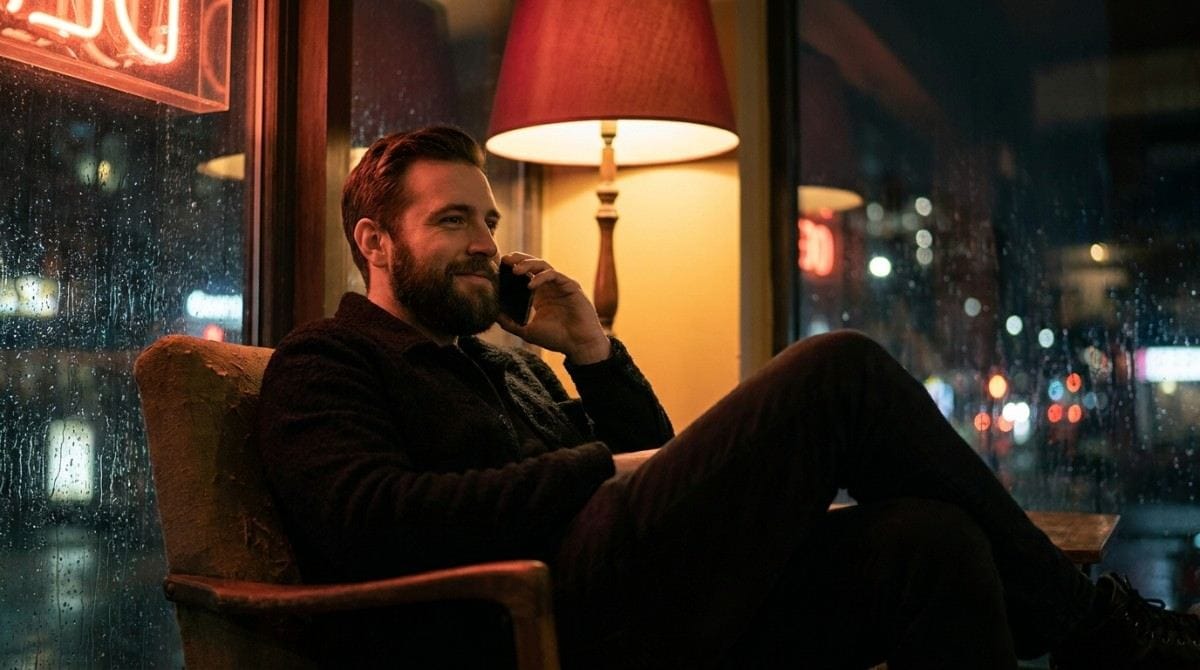
How to Get Comfortable With a Pre-Date Call
- Decide up front whether you even want to do one. A pre-date call is optional, not a requirement, so don't add pressure to something you don't need to do.
- Keep the first one short by design. Five to ten minutes is plenty. A call doesn't need to become a full conversation to do its job.
- Rehearse the first thirty seconds specifically. That's where discomfort peaks, and it's the easiest part to prepare for.
- Practice out loud, not silently. A script running through your head still has to be recalled under the same pressure as anything else you didn't rehearse.
- Treat a short pause as normal, the same as you would in person. It reads as far less noticeable to the other person than it feels to you.
- Expect the first one to feel a little rough. That's normal too. The goal is capability, not a flawless first call.
When NOT to Use This
Don't force a pre-date call if you genuinely don't want one. Texting straight through to meeting in person is a completely normal way to date, and phone anxiety isn't a problem that needs solving if calls simply aren't part of how you prefer to connect.
Don't use call-anxiety as a reason to avoid meeting in person altogether. The discomfort is specifically about the phone medium, not about dating itself, so it shouldn't become a reason to keep things purely text-based indefinitely if that's not what you actually want.
And if avoidance of phone calls extends well beyond dating, into work calls, family calls, or most everyday situations, that's a broader pattern worth mentioning to a professional, separate from the situational discomfort this article addresses.
Final Takeaway
Phone anxiety before a date is real, common, and backed by consistent data across an entire generation, not a sign that something is wrong with you specifically. The instinct to rehearse already exists in most people who feel it. Giving that instinct an actual partner to practice with, instead of a silent script, is what closes the gap.
The data is worth repeating here because it explains exactly why this feature exists: a large share of people already try to rehearse phone conversations before making them, alone, silently, right before the call. DatingX's Practice mode takes that same instinct and gives it what it's missing: a partner that actually responds.
It's a live, unscripted voice call with an AI date built to react in real time, so instead of running a script through your head with nothing to test it against, you're practicing the actual skill, a live back-and-forth with someone you don't know yet. That's precisely the scenario research shows people find hardest, and precisely the one this format is built to rehearse.
Why it fits this specific problem:
- 🎙️ A live, responsive voice conversation, not a silent script running through your head
- 🔁 Repeatable without any social cost, so the discomfort has a chance to fade with practice
- 📱 Available whenever a pre-date call, or any unfamiliar call, is coming up
If a phone call before a date feels like the hardest part, warm up with a live practice call first. Then download DatingX and 10x your dating game.
FAQ
1. Is it normal to feel anxious about a phone call before a date? Yes. Survey data consistently shows comfort with phone calls has dropped sharply across younger generations, and discomfort concentrates hardest around calling someone unfamiliar, which describes almost every pre-date call.
2. Why do phone calls feel harder than texting? Texting gives you time to think and edit before sending. A live call removes that buffer entirely, which is exactly the moment a lot of communication anxiety, not just dating anxiety, tends to spike.
3. Should you have a phone call before meeting someone from a dating app? It's optional, not a requirement. Some people use a short call as a basic compatibility or safety check before meeting in person, but plenty of people date successfully by texting straight through to the in-person date.
4. How can you get more comfortable talking on the phone before a date? Rehearse out loud with a responsive partner, not just a silent script in your head, focusing especially on the first thirty seconds, since that's typically where the discomfort peaks.
5. Is phone anxiety specific to dating, or is it a bigger trend? It's a broader trend. Multiple independent surveys show declining comfort with phone calls across Gen Z and millennials generally, in work and personal contexts, not just around dating specifically.