How to Practice for a First Date Before It Happens

Practicing for a first date means rehearsing your tone, your talking points, and your response to the inevitable awkward pause, before you are actually sitting across from someone who can see your hands shake. It is not about sounding scripted. It is about removing enough uncertainty that your nerves have less to work with once the date actually starts.
Date practice is the deliberate rehearsal of conversation, tone, and timing before a real date, used to lower anticipatory anxiety by making an unfamiliar situation feel familiar in advance.
Most people either over-prepare with a mental script that falls apart the moment the conversation drifts, or they under-prepare and hope confidence shows up on its own. Neither works reliably. Structured date practice sits in the middle: enough rehearsal to feel steady, not so much that you sound like you're reading from cue cards.
TL;DR
- Rehearsing a date lowers anticipatory anxiety by making the unfamiliar feel familiar before it counts.
- Mirror talk and mental scripts help a little, but they cap out fast because nothing talks back.
- Friend roleplay adds real pressure, but friends already know you, so it can't fully simulate a stranger's reactions.
- AI voice practice, like DatingX's Practice mode, adds unpredictable back-and-forth without real-world consequences.
- The goal isn't a perfect script. It's fewer things to panic about once the real date starts.
- Over-rehearsing specific lines can backfire and make you sound rehearsed instead of present.
- The right amount of practice is enough to feel calm, not enough to feel like a performance.
What Is Date Practice?
Date practice is any structured way of rehearsing a date before it happens, out loud, with feedback, and ideally with some unpredictability built in.
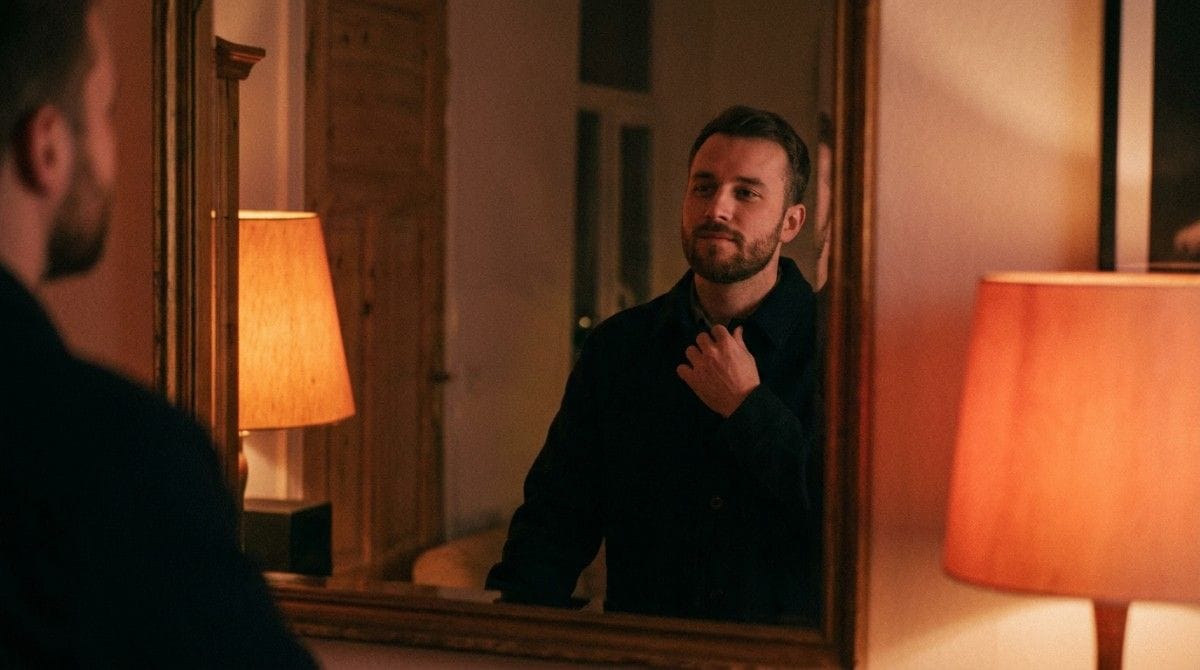
That can look like talking through openers in the mirror, running a mock conversation with a friend, or using a simulated voice conversation like the one inside DatingX's Practice tool. The format matters less than the mechanism: exposing yourself to the moment in a lower-stakes version first.
The point isn't memorization. A first date is an exchange, not a monologue, so practicing only your own lines solves half the problem. Real date practice includes reacting to something you didn't fully control, which is much closer to what actually happens across the table.
Why Does Practicing a Date Actually Reduce Anxiety?
Anticipatory anxiety, the dread that builds in the hours before a date, feeds on uncertainty. Your brain fills the unknown with worst-case scenarios because it has no other data to work with.
Exposure-based approaches are widely regarded in behavioral research as one of the most effective ways to work against exactly this mechanism. Instead of avoiding the feared situation, you approach a smaller, controlled version of it first, so your nervous system has already been there before the real thing happens.
Applied to dating, that translates simply. If your body has already rehearsed the feeling of making conversation with someone new, sitting down for the real date isn't the first time your nervous system has been in that position. It has a reference point instead of a blank page.
That's also why rehearsing only your own lines, without any real back-and-forth, only gets you partway there. It reduces some uncertainty (you know what you plan to say), but it does nothing to reduce the bigger source of anxiety: not knowing how the other person will respond, and whether you'll know what to do about it.
What Happens If You Skip Practice and Just Wing It?
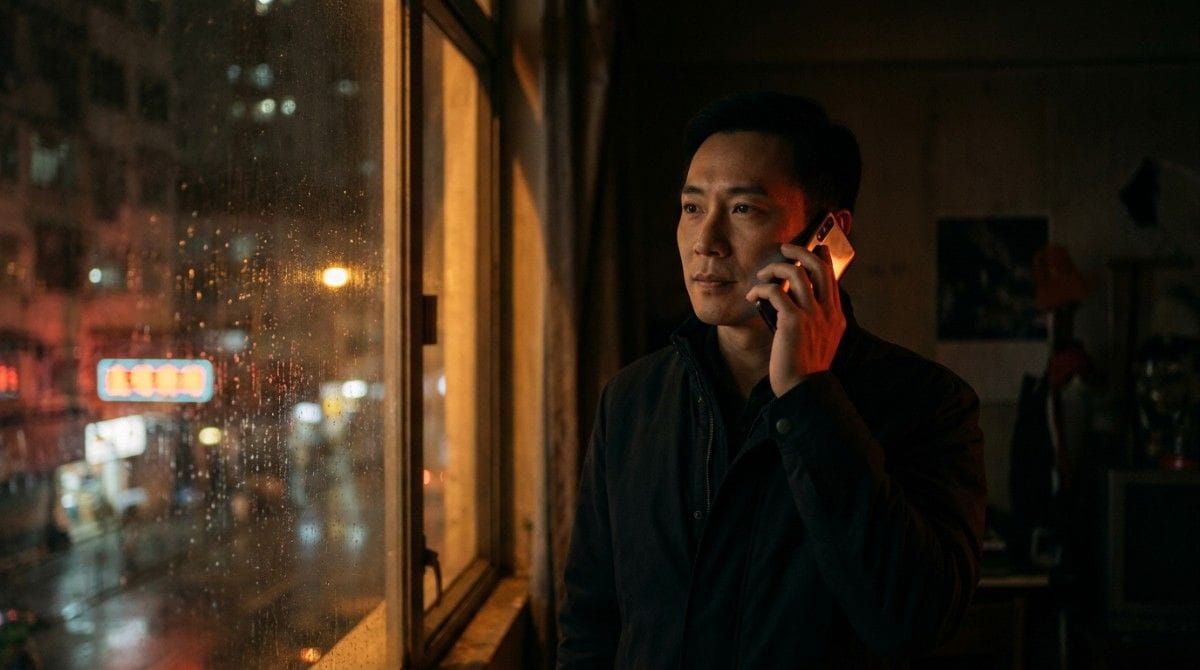
Winging it isn't automatically bad. Plenty of good dates happen with zero preparation.
But for people who already deal with dating anxiety, skipping practice usually means the first time you're genuinely thinking on your feet in front of someone new is the date itself. Every pause feels loaded because you have no reference point for what a normal pause even feels like in that context.
The most common failure mode isn't running out of things to say. It's overthinking the silence so hard that you stop being present, which is exactly what practice is meant to prevent, similar to the spiral covered in how to get past the first date and land a second one.
Practice Methods Compared
| Method | What It Simulates | Strength | Limitation |
|---|---|---|---|
| Mirror talk / mental script | Your own delivery and tone | Fast, free, private | Nothing reacts back, so it can't simulate real conversation |
| Journaling talking points | Structure and topic recall | Clarifies what you actually want to say | Can turn into a rigid script that breaks under improvisation |
| Roleplay with a friend | Real-time back and forth | Genuine unpredictability and feedback | Friends know you too well to simulate a stranger's reactions |
| AI voice simulator (e.g. DatingX Practice) | A live, unscripted conversation with an unfamiliar "date" | Unpredictable, repeatable, zero social risk | Still not the real person, so it builds comfort, not chemistry |
| No practice | Nothing | Zero time investment | First real-time reps happen live, with real stakes |
If you want to feel what that unpredictability is actually like before a real date, DatingX's Practice mode runs a live voice conversation with an AI date built to react like a real person, not follow a script, which is a very different kind of rehearsal than leaning on an AI wingman for what to text.
Statistics & Research Insight
Exposure-based treatment is one of the most consistently studied approaches for anxiety in behavioral research, though even standard exposure alone tends to produce clinically meaningful improvement in only around half of cases. That's a large part of why researchers keep studying ways to strengthen it.
One consistent thread in that research: rehearsing the experience again between real exposures, mentally or out loud, appears to help reinforce the calmer response instead of just the anxious one. Separately, studies comparing simulated or voice-based exposure to real, in-person exposure have generally found the simulated version produces comparable improvement specifically for social anxiety.
None of this research was designed around dating specifically. But the underlying mechanism, familiarity reducing dread, applies directly to a first date, which is functionally a short, high-stakes social exposure with a stranger.
Key Insight: The value of date practice isn't the words you rehearse. It's the number of times your nervous system has already been in a similar situation before the real one starts.
How To Practice for a First Date (Quick Framework)
- Name the specific fear, not a vague "I'm anxious." Is it silence, an unexpected question, or not knowing how to end the date?
- Rehearse openers and follow-up questions, not full scripts. A first line matters less than what you do after their answer.
- Simulate the unpredictable part. Practice with a friend or a tool built to actually respond, not just your own side of the conversation, the same principle behind why introverts specifically benefit from AI dating tools.
- Practice recovering from silence on purpose. Let a pause sit for a few seconds during a mock run instead of rushing to fill it.
- Do one real run-through 24 to 48 hours before the date, not a week out, so it stays fresh instead of becoming another script to memorize.
- Stop once you feel steady. Practice past that point tends to add polish your date can hear, not confidence they can feel.
When NOT to Use This
Practice is a tool for nerves, not a substitute for the date itself. If you find yourself rehearsing the same date for days instead of scheduling it, that's avoidance wearing preparation's clothes.
Skip word-for-word scripting. It reads as stiff in person, and it collapses the moment the real conversation goes somewhere your script didn't anticipate, which is often exactly where a first date actually goes sideways and how to recover.
And if the anxiety you're feeling extends well beyond dating, into most social situations, date practice tools can help at the margins, but they aren't a replacement for talking to a professional about it.
Final Takeaway
You can't rehearse away every nerve before a first date, and you shouldn't try to. What structured date practice actually does is remove the parts of the unknown you can control, so the parts you can't (chemistry, timing, whether you actually click) get your full attention instead of your anxiety.

If nerves are the thing standing between you and a good first date, the honest limitation of solo practice is that it never talks back. You can rehearse your own lines in the mirror a hundred times, and you'll still be meeting the actual unknown, how a real person responds, for the first time on the date itself.
That's the specific gap DatingX's Practice mode is built for. It's a live, voice-based conversation with an AI date designed to react unpredictably, the way an actual person would, instead of following a fixed script you've already memorized. Because it adapts in real time, each session builds a different kind of readiness than talking to yourself ever can, and it gets more useful the more you use it, since it's reacting to your actual conversational habits, not a generic template.
One DatingX user, Daniel, described it simply: he didn't think of himself as a bad texter, he just never had a system, and the practice sessions made his next real date feel noticeably more natural before he'd even sat down.
Why it works better than rehearsing alone:
- 🎙️ A real back-and-forth voice conversation, not a script you're reciting to a mirror
- 🧠 Personalized to how you actually talk, so it improves with use instead of staying static
- 📱 Available in the DatingX app whenever nerves show up, not just the night before
If dating anxiety is the thing holding you back more than what to actually say, try a live practice date before your next real one. And once the conversation itself feels less like the unknown, download DatingX and 10x your dating game.
FAQ
1. What is the best way to practice for a first date? The most effective approach combines rehearsing your own talking points with a real, unpredictable back-and-forth, like roleplaying with a friend or using an AI voice simulator, since one-sided rehearsal only prepares half the conversation.
2. Does practicing a date actually reduce anxiety? Yes. Anticipatory anxiety is driven largely by uncertainty, and rehearsing a version of the situation beforehand gives your nervous system a reference point, which is the same mechanism behind exposure-based approaches to anxiety more broadly.
3. How long should you practice before a date? A single focused run-through 24 to 48 hours before the date is usually more useful than practicing for days, since practicing too far in advance or too often can turn rehearsal into another script to memorize.
4. Can AI help you practice for a real date? Yes. AI voice tools like DatingX's Practice mode simulate an unscripted conversation that reacts in real time, which is closer to a real date than rehearsing your own lines alone in a mirror.
5. Is it bad to over-prepare for a first date? It can be. Memorizing exact lines tends to read as stiff in person and falls apart the moment the real conversation goes somewhere your script didn't anticipate, so the goal is to feel steady, not scripted.