The Best Way to Start a Conversation on a Dating App (That Actually Gets Replies)
Most dating app conversations fail before they begin. Not because the person isn't interested – but because the opening message gave them nothing to respond to. The best way to start a conversation on a dating app is to send a message that feels personal, specific, and easy to reply to – not generic, not scripted, and never just "hey."
A strong dating app opener is a personalized, low-effort-to-reply message that references something specific from a match's profile and invites a natural response.
TL;DR
- Generic openers ("hey," "how's your week?") have near-zero response rates
- The best openers reference something specific in their profile or photos
- A question + observation combo outperforms either alone
- Playful, slightly unexpected messages outperform safe, polite ones
- Timing and tone matter as much as content
- AI-generated openers personalized to a profile consistently outperform copy-paste lines
- You only need one strong message – not a perfect script
If you've already got a match but aren't sure what to say next, the ultimate guide to dating app conversation starters covers the full arc from first message to real conversation.
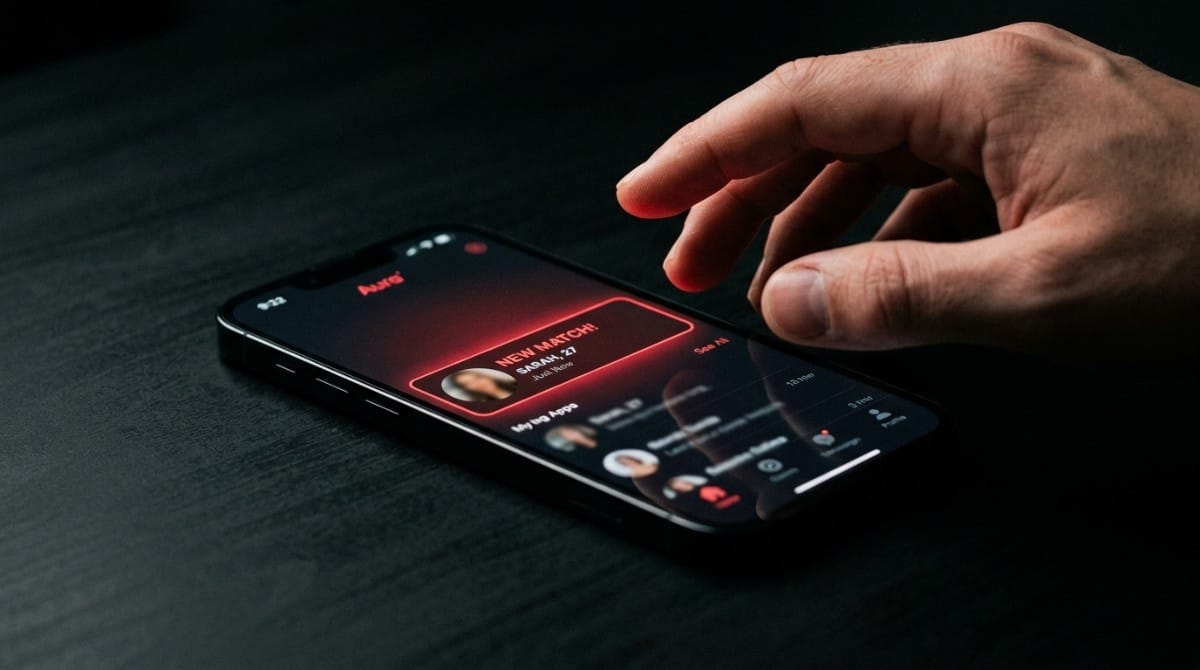
What Is a Dating App Opener?
A dating app opener is the first message you send to a match. It sets the tone for the entire conversation. Unlike an in-person first impression where body language and voice carry most of the weight, a dating app opener is doing all the heavy lifting alone – in text, often competing with dozens of other matches in their inbox.
A weak opener gets ignored. A strong one gets a reply and creates a conversation worth having.
Why Do Most Opening Messages Fail?
The biggest problem isn't lack of confidence – it's lack of specificity.
When someone sends "hey" or "what's up," they're signaling minimal effort. The match has to do all the work of creating a conversation from nothing. Most people won't bother.
The second most common mistake: asking a question that's too big. "So what do you do for fun?" feels like an interview, not a conversation. It lacks a hook. There's no reason for someone to give more than a one-word answer.
The core failure pattern: Generic input → Generic output → Conversation dies.
The Three Openers That Almost Never Work
For platform-specific openers, dirty pick-up lines for Hinge that actually get replies breaks down how to reference prompts in a way that doesn't feel forced.
How To Write an Opening Message That Gets Replies
The formula isn't complicated. The execution is.
Quick Framework – The 3-Part Opener:
- Observe – Pick one specific thing from their profile (photo, bio, interest, unusual detail)
- React – Give your genuine take on it (funny, curious, slightly teasing)
- Invite – Make it easy to reply with a light question or open hook
Examples:
Playful: "Your photo at that rooftop bar – was that a life choice or a dare?"
Curious: "You listed hiking and board games as hobbies. I need to know which version of you shows up on a Sunday."
Slightly teasing: "Three travel photos and zero mention of where you actually live. Strategic."
Each of these does the same thing: it proves you looked at their profile, gives them something to react to, and makes replying the easy, natural next move.
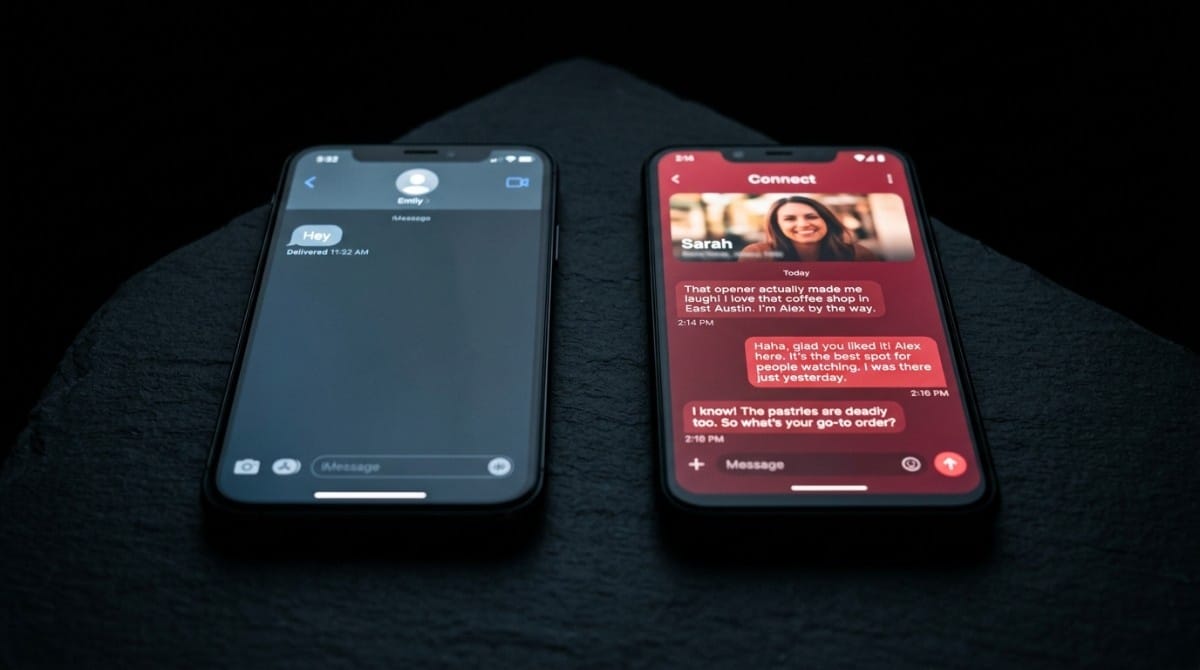
What Happens If You Wait Too Long to Message?
Timing is a real variable. Research on dating app behavior consistently shows that matches have a short engagement window – typically 24 to 72 hours after matching before interest begins to fade naturally.
Waiting too long signals low interest or low confidence. Messaging within a few hours of matching – when engagement is highest – puts your opener in front of someone who just swiped right and is still thinking about your profile.
Once they reply, the follow-up is its own challenge. What to say after she responds to your Hinge opener gives you real frameworks for keeping momentum after the first exchange.
Key Insight: The best opener delivered three days late performs worse than a decent opener sent within the first hour. Recency is its own form of relevance.
When NOT to Use This Approach
Not every match calls for the same playbook. Here's when to adjust:
- Their bio is completely empty – You can't reference what isn't there. Go visual (a specific photo detail) or go abstract ("you have strong 'has strong opinions about coffee' energy")
- They've clearly written a long, serious bio – Match the energy. A meme-style opener on someone who wrote three paragraphs about values will feel tone-deaf
- You're on a more serious platform (Hinge prompts, etc.) – Respond directly to a prompt they answered. It's already an invitation
The Psychology Behind Why Specific Messages Work
Specificity signals genuine attention. In a world of copy-paste openers, receiving a message that references something only you would notice creates an immediate sense of being seen.
This matters more than wit. More than humor. More than confidence.
A slightly clumsy but specific message outperforms a polished generic one almost every time – because specificity is the proxy for genuine interest, and genuine interest is what people are actually responding to.
If the conversation stalls after a solid opener, what to text when a conversation goes cold covers exactly how to restart it without seeming desperate.

Statistics & Research Insight
Behavioral data from dating app usage studies consistently shows:
- Personalized openers generate response rates 3-5x higher than generic greetings
- Messages with a specific reference to a profile element receive replies faster (within the same session)
- Openers that include a light question have higher reply rates than statements alone
- The optimal opener length is 10-30 words – long enough to show effort, short enough to feel casual
The pattern is consistent: effort signals interest, and interest is the variable that drives responses.
Final Takeaway
The best way to start a conversation on a dating app isn't about finding the perfect line. It's about making the other person feel like you actually looked at their profile and had a real reaction to it. Specific beats clever. Personal beats polished. Easy-to-reply-to beats impressive.
And when you're ready to move things off the app, how to turn the talking stage into a first date walks through doing it without making it awkward.
One solid opener built around something real in their profile will outperform a hundred copy-paste lines – every time.
Starting the conversation is the first 10 percent. The remaining 90 percent is what happens once she replies. The next read worth your time is how to keep a dating app conversation going past the second exchange, which is where most matches actually die.
Stop Guessing What to Say First
The framework above works. But execution is where most people stall – staring at a profile for five minutes trying to think of something that doesn't sound like every other message they've sent.
This is exactly what DatingX's Opener Generator is built for.
Instead of starting from scratch, you upload your match's profile photo. DatingX analyzes visual cues, profile signals, and personality hints – then generates personalized openers tailored to that specific person. Not a template. Not a recycled line. A message built from what's actually in front of you.
- ✅ Personalized to each match's profile
- ✅ Multiple vibe options (flirty, bold, subtle, playful)
- ✅ Generated in seconds, directly on your phone
Generic lines are free and useless. A message that actually sounds like you – but sharper – is what gets replies.
Generate your opener at datingx.ai/opener →
Download DatingX and 10x your dating game.
Frequently Asked Questions
- What is the best way to start a conversation on a dating app?
The best way to start a conversation on a dating app is to send a short, specific message that references something from your match's profile – a photo detail, a bio line, or an unusual interest. Avoid generic openers like "hey" or "how are you?" and aim for something that's easy for them to reply to.
- What should I say first on a dating app?
Lead with an observation or reaction to something specific in their profile, followed by a light question. A message like "You listed both hiking and binge-watching shows – which one wins on a Sunday?" is far more likely to get a reply than anything generic.
- How long should a dating app opener be?
Aim for 10-30 words. Long enough to show you put in effort, short enough to feel casual and easy to respond to. A wall of text in a first message reads as intense; one word reads as lazy.
- Why do my dating app messages get ignored?
Most ignored messages are either too generic (nothing to respond to), too compliment-heavy (feels transactional), or too question-heavy (feels like an interview). The fix is specificity – reference something real from their profile and make replying the natural next step.
- Does timing matter when sending a first message on a dating app?
Yes. Sending your first message within a few hours of matching catches someone while they're still engaged and thinking about your profile. Waiting more than 72 hours significantly reduces the chance of a reply, regardless of message quality.